
Constipation Relief: The Ultimate Guide That Actually Works
Table of Contents
- What Does Constipation Feel Like? (And When to Worry)
- Best Constipation Remedies: Fast and Natural Solutions
- Foods That Help Digestion vs. Foods That Make It Worse
- Diet Change and Constipation: What to Eat and What to Avoid
- Does Exercise Help Constipation? The Movement Connection
- Lifestyle Changes to Help With Constipation (Long-Term Fixes)
- Can Constipation Cause Fever and Other Complications?
- FAQ: People Also Ask
Introduction
Nearly 16 percent of American adults suffer from constipation at any given time, and for adults over 60, that number climbs to 33 percent, according to the American College of Gastroenterology (2023). If you have ever spent too long in the bathroom wondering what is going wrong with your body, you are not alone, and more importantly, relief is within reach.
Constipation relief is not just about taking a laxative and moving on. True, lasting relief comes from understanding your body, adjusting what you eat, moving more strategically, and making small but meaningful lifestyle changes that stack up over time.
In this guide you will learn exactly what constipation feels like and how to recognize it, the best constipation remedies both fast-acting and long-term, which foods help or hurt your digestion, how exercise stimulates your bowel, what lifestyle changes actually move the needle, and when constipation signals something more serious. This is the only constipation guide you will need.
What Does Constipation Feel Like? (And When to Worry)
Constipation is defined clinically as fewer than three bowel movements per week, accompanied by straining, hard or lumpy stools, a sense of incomplete evacuation, or the feeling that something is physically blocking passage. The Rome IV diagnostic criteria, the gold standard used by gastroenterologists, require at least two of those symptoms for a diagnosis of functional constipation.
But the lived experience of constipation goes well beyond the clinical definition.
The Physical Sensations Most People Describe
Most people describe constipation as a dull, persistent bloating in the lower abdomen. You may feel full even when you have not eaten much, or notice that your stomach looks visibly distended. Straining during bowel movements is common, and stools often come out in small, dry pellets that require significant effort to pass. Some people feel a cramping pressure low in the pelvis that does not resolve after a bowel movement.
Headaches, fatigue, and even mild nausea frequently accompany constipation, particularly when it has lasted several days. These systemic symptoms happen because the gut and brain are in constant communication via the gut-brain axis. When waste sits in the colon too long, the body absorbs more water from it, making stool harder, and some metabolic byproducts are reabsorbed, contributing to that sluggish, heavy feeling many people describe.
How Long Is Too Long Between Bowel Movements?
Normal bowel movement frequency ranges from three times a day to three times a week, according to the National Institute of Diabetes and Digestive and Kidney Diseases. Going longer than three days without a bowel movement generally means stool has become harder and more difficult to pass. After a week without a movement, you should contact a healthcare provider, particularly if you have significant abdominal pain or bloating.
Warning Signs That Constipation Is More Than Constipation
Seek medical attention if constipation is accompanied by blood in the stool, unexplained weight loss, severe abdominal pain, or a sudden change in bowel habits in a person over 50. These signs may indicate inflammatory bowel disease, colorectal cancer, or another condition that requires investigation beyond home remedies.
Best Constipation Remedies: Fast and Natural Solutions
The best constipation remedies work in two distinct windows: fast relief within hours and sustained relief over days and weeks. Understanding which remedies operate on which timeline helps you choose the right tool for the moment.
How to Fix Constipation Fast (Within Hours)
When you need relief quickly, osmotic agents and stimulants are the most reliable options available without a prescription. Magnesium citrate works by drawing water into the intestines, softening stool and triggering a bowel movement within 30 minutes to 6 hours for most people. Polyethylene glycol (sold as MiraLax) operates similarly and is considered safe for short-term use by the U.S. Food and Drug Administration.
Warm liquids work faster than cold ones for stimulating bowel activity. A cup of hot coffee in the morning is not a myth. A 2023 study published in the journal Gut found that coffee stimulates the colon more effectively than water of the same temperature, due in part to chlorogenic acids acting on the gut lining. Warm water with lemon juice or a tablespoon of olive oil has similar, if less dramatic, effects.
Abdominal massage is an underutilized natural remedy for constipation. Massaging the abdomen in a clockwise direction (following the path of the large intestine) for 10 to 15 minutes has been shown in multiple small studies to reduce constipation symptoms and decrease transit time. It is particularly effective for people with chronic constipation, including those in hospital settings.
Natural Remedies for Constipation Worth Knowing
Prunes remain the most studied natural remedy for constipation. A 2014 randomized controlled trial published in Alimentary Pharmacology and Therapeutics found that 100 grams of prunes daily (about 10 to 12 prunes) were significantly more effective than psyllium fiber in improving stool frequency and consistency. Prunes contain both soluble fiber and sorbitol, a natural sugar alcohol that has a laxative effect.
Psyllium husk (the active ingredient in Metamucil) is a soluble fiber that forms a gel in the intestine, softening stool and adding bulk. The FDA has approved psyllium’s health claim related to reducing the risk of heart disease, and it remains one of the best-studied fiber supplements for constipation. Start with one teaspoon daily and work up gradually to avoid gas.
Aloe vera juice, flaxseed, and kiwifruit are three natural remedies for constipation that have growing evidence behind them. A 2021 study in the American Journal of Gastroenterology found that two kiwifruits daily improved bowel function as effectively as psyllium over a four-week period, with fewer side effects.
A Quick Comparison: Fast vs. Long-Term Constipation Remedies
| Remedy | Speed of Action | Best For | Notes |
|---|---|---|---|
| Magnesium citrate | 30 min to 6 hrs | Acute relief | Short-term use only |
| Prunes (10 to 12 daily) | 12 to 24 hrs | Mild to moderate | Well studied, safe long-term |
| Psyllium husk | 12 to 72 hrs | Chronic constipation | Drink plenty of water |
| Warm coffee | 20 to 30 min | Morning constipation | Avoid if acid reflux is present |
| Abdominal massage | 15 to 45 min | All types | No side effects |
| Kiwifruit (2 per day) | 24 to 48 hrs | Ongoing relief | Clinical evidence strong |
| Increased water intake | 24 to 48 hrs | Mild constipation | Essential foundation |
| MiraLax (OTC) | 1 to 3 days | Moderate constipation | FDA approved, gentle |
Foods That Help Digestion vs. Foods That Make It Worse
What you eat is the single greatest driver of your bowel habits, yet most constipation sufferers receive vague advice like “eat more fiber” without understanding which foods specifically help digestion and which actively cause problems.
Foods That Help Digestion and Keep Things Moving
The best foods for digestion are those high in fiber, water content, or natural compounds that stimulate gut motility. Here is a practical breakdown.

Leafy greens like spinach, kale, and Swiss chard are rich in magnesium, which relaxes the intestinal muscles and draws water into the colon. A cup of cooked spinach provides about 157 mg of magnesium, roughly 37 percent of the recommended daily intake. Legumes including lentils, black beans, and chickpeas are among the highest-fiber foods available. A single cup of cooked lentils delivers 15.6 grams of fiber, well over half the recommended 25 to 38 grams per day for American adults.

Berries, particularly raspberries and blackberries, are exceptional. One cup of raspberries contains 8 grams of fiber, with a mix of both soluble and insoluble types that feed beneficial gut bacteria while adding bulk. Whole grains like oats, brown rice, and whole wheat bread provide the insoluble fiber that acts like a scrub brush through the intestines, keeping transit time healthy.

Fermented foods including yogurt with live cultures, kefir, kimchi, and sauerkraut have been shown to increase beneficial gut bacteria populations, which in turn improve stool consistency and frequency. A 2021 randomized study from Stanford University found that a high-fermented-food diet significantly increased microbiome diversity compared to a high-fiber diet alone.
Snacks High in Fiber You Can Eat Every Day
Most Americans consume only about 17 grams of fiber daily, far below the recommended 25 to 38 grams. The gap is easy to close with smart snacking. Here are snacks high in fiber that actually taste good.
Almonds provide 3.5 grams of fiber per ounce. An apple with the skin on offers 4.4 grams. A quarter cup of chia seeds mixed into yogurt or a smoothie delivers an impressive 9.8 grams. Air-popped popcorn has 3.6 grams per 3-cup serving. Edamame provides 8 grams per cup. A pear with skin contains 5.5 grams. These are foods easy to digest that also contribute meaningfully to your fiber intake throughout the day.
Does Rice Cause Constipation?
This is a question that deserves a nuanced answer. White rice can contribute to constipation in people who eat it as a dietary staple without adequate fiber from other sources. White rice is a refined grain with the bran and germ removed, stripping most of its fiber. One cup of cooked white rice contains only 0.6 grams of fiber.
Does rice cause constipation directly? Not necessarily. The problem is more about what white rice replaces. When white rice displaces high-fiber foods like vegetables, legumes, or whole grains, the overall fiber intake drops and constipation can follow. Brown rice, by contrast, retains its bran and provides 3.5 grams of fiber per cup, making it a much better choice for bowel regularity.
Can Peanut Butter Cause Constipation?
Can peanut butter cause constipation? For most people, no. Natural peanut butter is actually a decent source of fiber at about 2 grams per two tablespoons, and it also contains magnesium and healthy fats that support digestion. However, some commercial peanut butters contain added sugars, hydrogenated oils, and sodium that offer no digestive benefit.
The situation where peanut butter does cause constipation is when it is consumed in large quantities alongside a low-fiber, low-water diet. The fat content, while not inherently problematic, can slow gastric emptying in sensitive individuals. If you rely heavily on peanut butter as a protein source, ensure you are also getting plenty of fiber and fluids throughout the day.
Can Bananas Constipate You?
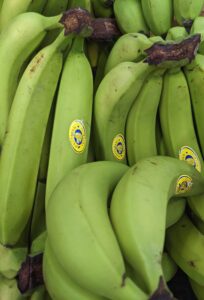
Can bananas constipate you? The answer depends entirely on the banana’s ripeness. Unripe, green bananas contain high amounts of resistant starch and tannins, both of which can slow digestion and contribute to constipation. This is why green bananas are actually used as a natural remedy for diarrhea in some cultures.

Ripe bananas are a different story. A ripe banana with yellow skin and perhaps a few brown spots contains softer, more digestible starches and about 3 grams of fiber, including pectin, a soluble fiber that can aid bowel regularity. If you are prone to constipation, opt for fully ripe bananas and pair them with other high-fiber foods rather than eating them as your sole fruit source.
Diet Change and Constipation: A Complete Eating Blueprint
A diet change for constipation does not mean a complete lifestyle overhaul overnight. The research consistently shows that gradual dietary shifts are more effective and sustainable than dramatic changes, which often cause uncomfortable gas and bloating as the gut microbiome adjusts.
The Fiber-First Framework for Constipation Relief
Increase fiber intake by 5 grams per week rather than all at once. This gives your gut bacteria time to adapt and significantly reduces the bloating and cramping that often derail people when they try to suddenly double their fiber intake. Track your fiber intake using a simple food log for the first two weeks to understand your baseline.
Divide your fiber intake between soluble and insoluble sources. Soluble fiber dissolves in water and forms a gel that softens stool, found in oats, apples, legumes, and psyllium. Insoluble fiber does not dissolve and adds bulk and speed to transit, found in wheat bran, vegetables, and whole grains. A ratio of roughly 25 percent soluble to 75 percent insoluble fiber is a practical target for most people dealing with constipation.
Hydration’s Role in Diet Change and Constipation
Fiber without water makes constipation worse, not better. This is one of the most common mistakes people make when trying to address constipation through diet. Each additional 5 grams of daily fiber requires approximately one additional 8-ounce glass of water to move effectively through the intestines.

Most adults need between 2 and 3 liters of total fluid daily (counting water in food), but someone increasing their fiber intake for constipation should target the higher end. Herbal teas, broths, and water-rich foods like cucumbers and watermelon all count toward fluid intake.
Foods to Limit When Dealing With Constipation

Certain foods consistently slow bowel transit time. Processed foods high in refined flour and sugar, red meat consumed in large quantities, dairy products in people with lactose sensitivity, fried foods, and alcohol all have documented associations with constipation. This does not mean eliminating these foods entirely, but being aware of how they affect your individual digestive rhythm is valuable.
Does Exercise Help Constipation? The Movement Connection
Does exercise help constipation? Yes, consistently and meaningfully. Physical activity stimulates the muscles of the intestinal wall and increases the wave-like contractions called peristalsis that move waste through the colon. A sedentary lifestyle is one of the most consistently identified risk factors for chronic constipation across all age groups.
Does Walking Help Constipation?

Does walking help constipation? Walking is one of the most accessible and effective forms of exercise for improving bowel regularity. A 2020 study published in the Journal of Neurogastroenterology and Motility found that 30 minutes of walking per day, five days per week, significantly improved stool frequency and reduced constipation symptoms in adults with chronic constipation.
Walking works because it increases core body temperature slightly and activates abdominal and pelvic floor muscles, both of which stimulate peristaltic activity. A 15 to 30 minute walk after a meal, particularly after breakfast or lunch, leverages the gastrocolic reflex, the natural signal your colon receives when the stomach fills, to maximize the bowel-stimulating effect of movement.
You do not need to walk fast to benefit. Even moderate-pace walking activates the abdominal muscles enough to support colonic motility. For people with more severe or chronic constipation, longer or more frequent walks compound the benefit over time.
Exercises to Stimulate Bowel Movement
Beyond walking, specific exercises to stimulate bowel movement can be used strategically when you need more targeted relief.
Deep squats are among the most effective. The squat position aligns the rectum for optimal passage, and the muscular effort of squatting engages the core and pelvic floor. Holding a deep squat for 30 to 60 seconds on the toilet (using a footstool to elevate your feet) mimics the natural squatting posture that humans used before modern toilets and reduces the puborectalis muscle tension that can create a kink in the rectum.
Yoga poses for constipation have strong anecdotal and growing clinical support. The wind-relieving pose (Pawanmuktasana) involves lying on your back, hugging both knees to your chest, and gently rocking side to side for 1 to 2 minutes. This directly compresses the ascending and descending colon, stimulating trapped gas and waste to move. Child’s pose, seated twists, and cat-cow stretches also stimulate abdominal organs through gentle compression and elongation.
Core engagement exercises such as Pilates and certain yoga flows contract and release the abdominal muscles repeatedly, which provides an internal massage effect on the intestines. Even basic exercises like lying on your back and drawing your knees to your chest alternately can trigger bowel movement in people with mild constipation.
How Often Should You Exercise for Bowel Health?
The American Gastroenterological Association recommends at least 150 minutes of moderate physical activity per week as part of a strategy for managing chronic constipation. This aligns with the general physical activity guidelines from the U.S. Department of Health and Human Services. Spreading that activity across five or more days rather than concentrating it on two days yields better bowel-health outcomes because consistent daily movement keeps peristalsis regular rather than producing occasional spikes.
Does Exercise Help Constipation in Older Adults?
Does exercise help constipation in older adults specifically? The evidence is particularly strong for this group. A 2019 systematic review in the International Journal of Environmental Research and Public Health found that exercise interventions significantly improved constipation symptoms in adults over 60, a population where constipation rates are highest and medication-related constipation (from blood pressure drugs, calcium supplements, and opioids) is common.
Low-impact activities including water aerobics, tai chi, and seated core exercises are appropriate for older adults who cannot perform high-impact movement, and they still deliver meaningful improvements in bowel transit time.
The Mind-Gut Connection and Stress Exercise

Stress is a well-documented trigger for constipation. The enteric nervous system (often called the second brain) responds to psychological stress by slowing or disrupting normal gut motility. Exercise, particularly rhythmic aerobic activity like walking, cycling, or swimming, lowers cortisol levels and has been shown to improve gut-brain communication over time. This means that exercise addresses constipation at both the mechanical level (moving the bowels physically) and the neurological level (calming the stress signals that disrupt gut function).
Lifestyle Changes to Help With Constipation (Long-Term Fixes)
Lifestyle changes to help with constipation address the root causes rather than just the symptoms. These are the habits that, practiced consistently, eliminate the cycle of recurring constipation rather than requiring repeated rounds of remedies.
Establish a Consistent Bathroom Routine
Your colon follows a circadian rhythm. Bowel activity is naturally highest in the morning, particularly after waking and after the first meal of the day, due to the gastrocolic reflex. Taking advantage of this window by giving yourself 10 to 15 unrushed minutes in the bathroom after breakfast every day trains your colon to respond reliably to this signal.
Ignoring the urge to defecate when it arises is one of the most damaging habits for long-term bowel health. When you suppress the urge repeatedly, the nerves that signal urgency become less sensitive over time, contributing to chronic constipation. A lifestyle change of consistently responding to the urge within a few minutes of feeling it preserves normal rectal sensation.
Optimize Your Toilet Posture
Modern toilets require the colon to work against its natural geometry. When seated upright at 90 degrees, the puborectalis muscle creates a bend in the rectum that makes complete evacuation harder. Elevating the feet on a squatting stool (sold under brand names like Squatty Potty) to a height of 7 to 9 inches raises the knees above the hips, relaxing the puborectalis and straightening the anorectal angle.
A 2019 study in the Journal of Clinical Gastroenterology found that participants using a squatting stool had significantly shorter defecation times and less straining compared to the standard seated position.
Reduce Medications That Cause Constipation
Many common medications list constipation as a side effect, and in some cases they are the primary cause of the problem. Opioid pain medications are the most notorious, causing opioid-induced constipation (OIC) in up to 80 percent of people who take them, according to a 2019 review in Pain Management. Calcium channel blockers used for blood pressure, iron supplements, tricyclic antidepressants, and antacids containing aluminum or calcium also commonly slow bowel transit.
If you take any of these medications and struggle with constipation, do not stop taking them without speaking with your prescriber. Instead, discuss whether dose adjustment, timing changes, or switching to an alternative medication might help. In many cases, your provider can also prescribe a stool softener or osmotic laxative to counteract the constipating effect.
Manage Stress as a Bowel Habit
Chronic psychological stress measurably slows gut transit time. Practices that activate the parasympathetic nervous system, the rest-and-digest state, directly support bowel regularity. These include diaphragmatic breathing (slow, belly-focused breaths for 5 to 10 minutes before bed or upon waking), progressive muscle relaxation, mindfulness meditation, and adequate sleep.
Sleep deprivation is particularly damaging to gut function. The gut microbiome follows a circadian clock of its own, and disrupting that clock through irregular sleep patterns reduces the populations of beneficial bacteria that support healthy digestion. Targeting 7 to 9 hours of consistent, quality sleep per night is a lifestyle change that reliably supports bowel health, even if it does not feel intuitively connected.
Can Constipation Cause Fever and Other Complications?
Can constipation cause fever? In most everyday cases of constipation, no. Simple constipation from dietary or lifestyle causes does not typically produce a fever. However, there are circumstances where constipation and fever occur together, and understanding the difference matters.
When Constipation and Fever Coexist
Fecal impaction is a condition where a large, hardened mass of stool becomes stuck in the rectum or colon and cannot be passed normally. In severe cases, fecal impaction can lead to a bacterial infection of the intestinal wall or even perforation, both of which can cause fever, severe abdominal pain, nausea, and vomiting. This is a medical emergency requiring immediate attention.
Appendicitis, inflammatory bowel disease flares, and diverticulitis are separate conditions that can cause both constipation symptoms and fever simultaneously. The key warning signs that constipation may be part of something more serious include fever above 101 degrees Fahrenheit alongside constipation, constipation accompanied by vomiting that makes it impossible to keep liquids down, severe and worsening abdominal pain, or a distended, rigid abdomen. Any of these warrant same-day medical evaluation.
Other Complications of Chronic Constipation
Hemorrhoids develop when excessive straining increases pressure in the rectal veins, causing them to swell and sometimes protrude. According to the National Institute of Diabetes and Digestive and Kidney Diseases, about 75 percent of Americans will have hemorrhoids at some point in their lives, and chronic straining from constipation is a primary driver.
Anal fissures, small tears in the lining of the anus caused by passing hard stools, cause significant pain and can bleed. Rectal prolapse, where part of the rectum slides outside the body due to repeated straining, is a more severe complication seen in people with long-standing, untreated constipation.
The practical takeaway is that addressing constipation is not just about comfort. Left unmanaged for months or years, it contributes to structural and vascular changes in the lower digestive tract that create new, more serious problems.
FAQ: People Also Ask
What is the fastest way to get constipation relief at home?
The fastest natural approach is drinking a large glass of warm water first thing in the morning, taking a 15-minute walk, and applying a clockwise abdominal massage for 10 minutes. Magnesium citrate from a pharmacy works within 30 minutes to 6 hours for more acute cases and is available without a prescription.
What does constipation feel like?
Constipation typically feels like abdominal pressure, bloating, and the persistent sensation of needing to go but being unable to. Stools are hard, dry, and difficult to pass. Many people also experience lower back discomfort, fatigue, and mild headaches during bouts of constipation.
Can constipation cause fever?
Simple constipation does not typically cause fever. However, complications like fecal impaction, appendicitis, or diverticulitis can cause both constipation and fever simultaneously. A fever above 101 degrees Fahrenheit with severe abdominal pain and constipation requires same-day medical evaluation.
Does rice cause constipation?
White rice can contribute to constipation when it replaces higher-fiber foods in the diet, as it contains only 0.6 grams of fiber per cup. Brown rice has 3.5 grams of fiber per cup and is a significantly better choice for bowel regularity.
Can bananas constipate you?
Unripe green bananas can cause constipation due to their high resistant starch and tannin content. Fully ripe bananas are unlikely to cause constipation and may actually support regularity because they contain pectin, a soluble fiber, and about 3 grams of total fiber per fruit.
Can peanut butter cause constipation?
Natural peanut butter is unlikely to cause constipation and contains about 2 grams of fiber per serving. It becomes a problem only when consumed in large amounts as part of a diet low in fiber and fluids overall.
Does walking help constipation?
Yes. Thirty minutes of moderate-pace walking five days per week has been shown to significantly improve constipation symptoms. A post-meal walk leverages the gastrocolic reflex for additional benefit. Even a 10 to 15 minute walk can trigger bowel movement in people with mild constipation.
What foods are easy to digest and will not make constipation worse?
Foods easy to digest that are also gentle during constipation recovery include cooked vegetables, ripe bananas, oatmeal, eggs, white fish, chicken, and broth. These support hydration and provide mild fiber without aggravating a sensitive gut.
What lifestyle changes help with constipation the most?
The lifestyle changes with the strongest evidence for constipation relief are increasing fiber intake gradually to 25 to 38 grams daily, drinking adequate water, exercising for at least 30 minutes most days, establishing a consistent morning bathroom routine, and responding promptly to the urge to defecate.
What are the best snacks high in fiber for constipation?
The most practical high-fiber snacks for constipation include almonds (3.5g per oz), an apple with skin (4.4g), chia seed pudding (up to 10g per serving), air-popped popcorn (3.6g per 3 cups), edamame (8g per cup), and pears with skin (5.5g). These are easy to incorporate throughout the day to meet your fiber target.
How do I know if I need to see a doctor for constipation?
See a doctor if you have had no bowel movement for more than a week, if constipation is accompanied by blood in the stool, unexplained weight loss, severe abdominal pain, or vomiting, or if constipation represents a new and persistent change from your usual bowel habits, particularly if you are over 50.
Conclusion
Constipation relief is not a single solution but a layered strategy. The most effective approach combines quick-acting remedies for immediate comfort, dietary changes that increase fiber and hydration, regular physical activity that mechanically stimulates the bowel, and sustainable lifestyle habits that prevent constipation from returning.
Understanding what does constipation feel like in your own body, knowing which foods help digestion versus which ones slow it down, and making informed choices about common questions like does rice cause constipation, can bananas constipate you, and can peanut butter cause constipation gives you the knowledge to make decisions that genuinely improve your gut health.
Start with what you can control today. Drink more water. Take a morning walk. Add one high-fiber snack to your afternoon. These small, consistent actions compound into lasting constipation relief.
If symptoms are severe, persistent, or accompanied by warning signs described in this guide, do not delay in speaking with a healthcare provider. Your gut health is central to your overall wellbeing, and it deserves real attention.