
Foods to Avoid When Constipated: The Complete Guide to Faster Relief
Did you know that around 16% of adults in the United States experience constipation symptoms, and that number jumps to 33% in adults over 60, according to the National Institute of Diabetes and Digestive and Kidney Diseases (NIDDK, 2023)? If you have ever felt bloated, sluggish, or just plain stuck, what you ate in the last 24 to 48 hours is probably a major reason why.
Knowing which foods to avoid when constipated is just as important as knowing what to eat. Certain foods slow your digestive system to a crawl, harden your stool, and make constipation relief feel impossible no matter how much water you drink.
In this guide you will learn exactly which foods make constipation worse, why they do it at a biological level, what science says about each one, and what to eat instead to get your gut moving again. This article is part of a broader constipation relief resource designed to give you complete, actionable answers.
Table of Contents
- Why Some Foods Make Constipation Worse
- Dairy Products and Constipation
- Processed and Fast Foods to Avoid
- High Fat and Low Fiber Foods That Slow Digestion
- Drinks That Worsen Constipation
- Surprising Foods That Cause Constipation
- Foods to Eat vs. Foods to Avoid: Comparison Table
- FAQ: People Also Ask
- Conclusion
Why Some Foods Make Constipation Worse
Constipation happens when stool moves too slowly through the colon, allowing the large intestine to absorb too much water, making stool hard, dry, and difficult to pass. Certain foods accelerate this process by reducing gut motility, lowering fiber intake, dehydrating the body, or disrupting the gut microbiome.
According to a 2022 review published in Nutrients, dietary fiber intake in the average American adult sits at only 17 grams per day, far below the recommended 25 to 38 grams. When you replace fiber-rich foods with low-fiber, highly processed alternatives, your digestive system pays the price.
Understanding which foods to avoid when constipated gives you direct control over your gut health without needing a prescription.
How Food Affects Gut Motility
Gut motility refers to the contractions of the muscles in your gastrointestinal tract that push food through your system. Foods high in fat slow these contractions. Foods low in fiber give your gut muscles nothing to work with. Foods high in refined sugar alter the bacterial balance in your colon, reducing the bacteria that support healthy bowel movements.
The Role of the Gut Microbiome
Your gut microbiome is a community of trillions of bacteria that influence how quickly food moves through your digestive tract. A 2023 study in Cell Host and Microbe found that diets high in ultra-processed foods significantly reduce microbial diversity, which is directly linked to slower transit time and harder stools. When you eat foods that starve beneficial bacteria, constipation becomes a predictable result.
Dairy Products and Constipation
Dairy is one of the most well-documented dietary contributors to constipation, particularly in children and in adults with lactose sensitivity.
Cheese
Cheese is extremely low in fiber and very high in fat. Both of these qualities slow the digestive process significantly. A single ounce of cheddar cheese contains zero grams of fiber and about 9 grams of fat. When eaten in large amounts, cheese can effectively put your bowels on pause.
A study published in the Journal of Pediatrics found that eliminating cow’s milk and dairy significantly improved constipation symptoms in children who had been chronically constipated and unresponsive to laxatives. While that research focused on children, adult gastroenterologists frequently observe the same pattern.
Milk and Ice Cream
Whole milk and ice cream combine high fat content with lactose, a sugar that many adults struggle to digest properly. In people with even mild lactose intolerance, undigested lactose can paradoxically cause both bloating and constipation by disrupting intestinal bacteria and slowing motility.
If dairy is a staple of your diet and you are looking for constipation relief, try reducing intake for one to two weeks and monitor any changes in your bowel habits.
Yogurt: The Exception Worth Noting
Not all dairy makes constipation worse. Plain yogurt with live active cultures actually supports bowel regularity. The key is to choose yogurt that contains probiotics like Lactobacillus acidophilus and Bifidobacterium lactis. These strains have shown measurable improvement in stool frequency in multiple clinical trials reviewed by Frontiers in Medicine (2021).
Processed and Fast Foods to Avoid
Ultra-processed foods are engineered for convenience and palatability, not for digestive health. They are almost universally low in fiber and high in ingredients that work against constipation relief.
White Bread, Pasta, and Rice

Refined grains have had their bran and germ stripped away during processing. That bran is where virtually all of the fiber lives. White bread, white pasta, and white rice are therefore near-zero fiber foods that give your digestive system nothing to push.
According to the American Gastroenterological Association, replacing refined grains with whole grains is one of the single most effective dietary changes for improving bowel regularity. A single cup of whole wheat pasta contains about 6 grams of fiber. The same cup of white pasta contains less than 2 grams.
Fast Food and Fried Foods

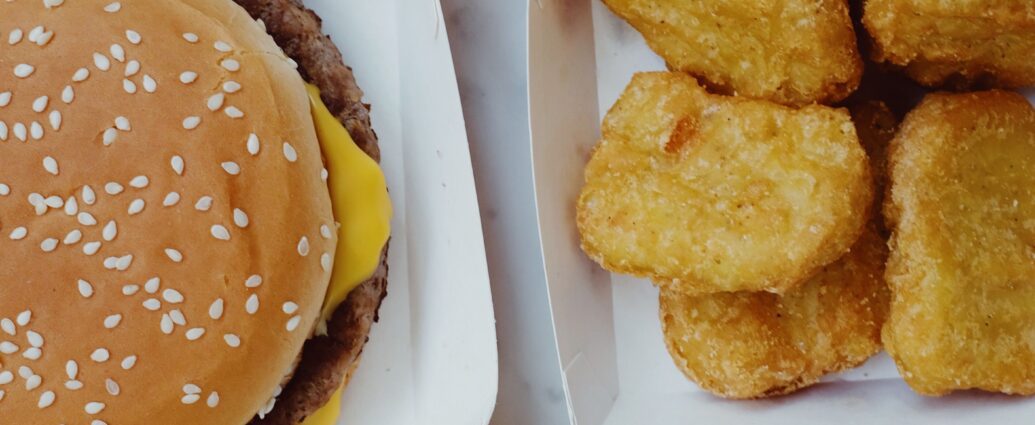
Fast food is a triple threat for constipation. It is high in saturated fat, nearly devoid of fiber, and loaded with sodium, which contributes to dehydration at the cellular level. A large fast food meal can effectively stall your digestive system for 12 to 24 hours depending on your individual gut motility.
The American Heart Association recommends limiting fried and fast food not just for cardiovascular reasons but because of the documented negative effects on gut health. You can find their dietary guidance at heart.org.
Chips, Crackers, and Packaged Snacks
These snacks tend to combine refined flour, salt, and low quality fats with essentially zero fiber. Eating them as a regular part of your diet quietly pushes your daily fiber intake further below the recommended threshold without you noticing.
High Fat and Low Fiber Foods That Slow Digestion
Even outside the processed food category, certain whole foods or minimally processed foods can worsen constipation when eaten in excess.
Red Meat
Red meat such as beef, pork, and lamb is high in protein and saturated fat but contains no dietary fiber. Eating large portions of red meat while skimping on vegetables creates an imbalance in your diet that directly contributes to harder stools and slower transit time.
A large cohort study published in Gut (2019) found that higher red meat consumption was associated with significantly greater risk of developing functional constipation over a four year follow-up period. The researchers noted that the association was strongest in participants who simultaneously ate low amounts of fruits and vegetables.
Eggs
Eggs are a nutritious food overall, but they are fiber-free and high in fat. Eating eggs as a primary protein source while neglecting fiber can shift your gut toward constipation, particularly if your overall dietary fiber is already low.
Unripe Bananas
This one surprises many people. Ripe bananas can actually help with constipation because they contain soluble fiber and a compound called pectin. However, unripe or green bananas contain high amounts of resistant starch that is difficult to digest and has been shown to worsen constipation in some individuals. Always choose bananas that are yellow and fully ripe if constipation relief is your goal.
Drinks That Worsen Constipation
What you drink matters just as much as what you eat when it comes to foods to avoid when constipated.
Alcohol
Alcohol is a diuretic, meaning it causes your kidneys to remove more fluid from your blood, leading to dehydration. Dehydration is a leading driver of constipation because your colon pulls water from stool when your body is short on fluids. Even moderate alcohol consumption the night before can leave your stool harder and more difficult to pass the next morning.
The National Institutes of Health confirms that dehydration is among the most correctable causes of constipation, and alcohol-induced dehydration is a direct mechanism. Learn more at nih.gov.
Caffeine: A Mixed Picture
Caffeine can actually stimulate bowel movements for many people by triggering contractions in the colon. However, drinking large amounts of coffee or energy drinks without adequate water intake creates a net dehydrating effect that ultimately harms bowel regularity. The balance matters. One to two cups of coffee with plenty of water throughout the day is very different from four cups and nothing else.
Sugary Sodas and Fruit Juices
Sugary drinks feed harmful gut bacteria that produce gas and slow motility, while simultaneously offering zero fiber. Regular soda consumption has been linked to reduced gut microbial diversity in multiple observational studies. Fruit juices, even 100% natural ones, remove the fiber from whole fruit and leave behind concentrated sugar that feeds inflammatory gut bacteria.
Surprising Foods That Cause Constipation
Several foods that are generally considered healthy can still worsen constipation depending on how much you eat and what else is in your diet.
Gluten in Sensitive Individuals
For the roughly 1% of Americans with celiac disease and the estimated 6% with non-celiac gluten sensitivity (Celiac Disease Foundation, 2024), gluten containing foods like wheat bread, pasta, and baked goods can cause significant digestive distress including constipation. If you have ruled out other causes and still struggle with bowel regularity, speaking with a gastroenterologist about a gluten sensitivity test is worth considering.
Chocolate
Chocolate, particularly milk chocolate and dark chocolate in large quantities, combines fat, caffeine, and in most cases very little fiber. Some research suggests that the theobromine in chocolate may have a mild constipating effect in sensitive individuals by relaxing the lower esophageal sphincter and altering bowel motility.
Iron Supplements
While not a food, iron supplements deserve mention here because they are so commonly linked to constipation. If your doctor has prescribed iron for anemia, know that constipation is one of the most frequently reported side effects. Pairing iron supplementation with increased fiber and water intake can substantially offset this effect.
Foods to Eat vs. Foods to Avoid: Comparison Table
| Category | Foods to Avoid | Better Alternatives |
|---|---|---|
| Grains | White bread, white rice, white pasta | Whole wheat bread, brown rice, whole grain pasta |
| Dairy | Cheese, whole milk, ice cream | Plain probiotic yogurt, kefir, almond milk |
| Protein | Red meat, fried eggs in excess, processed meats | Legumes, lentils, grilled fish, tofu |
| Snacks | Chips, crackers, cookies | Almonds, pears, dried prunes, hummus with vegetables |
| Drinks | Alcohol, soda, fruit juice | Water, herbal tea, diluted prune juice, sparkling water |
| Fruit | Unripe bananas, dried fruit in excess | Ripe bananas, kiwi, berries, oranges, prunes |
| Vegetables | Iceberg lettuce, corn in excess | Spinach, broccoli, Brussels sprouts, artichokes |
FAQ: People Also Ask
What foods should I avoid if I am constipated?
Avoid dairy products like cheese and milk, refined grains like white bread and pasta, red meat, fried foods, alcohol, and sugary drinks. These foods are either low in fiber, high in fat, or dehydrating, all of which slow digestion and make constipation worse. Replacing them with high fiber whole foods typically brings noticeable relief within one to two days.
What makes constipation worse immediately?
Eating cheese, drinking alcohol, or consuming a large fried meal can worsen constipation within hours by dehydrating your body and slowing gut motility. Refined carbohydrates and red meat are also quick contributors. The fastest relief comes from combining elimination of these foods with increased water and fiber intake.
Is cheese bad for constipation?
Yes. Cheese is one of the top foods to avoid when constipated because it contains zero fiber and is high in fat, both of which slow digestion. Research published in the Journal of Pediatrics found that removing dairy significantly improved chronic constipation in subjects who had not responded to laxatives.
Can drinking coffee help with constipation?
Coffee can stimulate bowel contractions for many people due to its caffeine content. However, drinking too much coffee without enough water creates dehydration, which worsens constipation. One to two cups paired with adequate daily water intake may support regularity, but relying on coffee alone is not a sustainable constipation relief strategy.
Does eating red meat cause constipation?
Eating large amounts of red meat, especially without enough vegetables and fiber, is linked to constipation. Red meat contains no fiber and is high in saturated fat, which slows digestion. A 2019 study in Gut found that higher red meat intake was associated with increased risk of functional constipation over a four year period.
Are eggs bad when you are constipated?
Eggs are not directly constipating but they contain zero fiber and are calorie-dense. When eaten in place of fiber-rich foods, they contribute to the overall fiber deficit that drives constipation. Eating eggs alongside high fiber vegetables rather than alongside refined grains or processed meats makes a meaningful difference.
What drink helps with constipation fast?
Water is the most effective drink for constipation relief. Prune juice is a close second because it contains sorbitol, a natural sugar alcohol that draws water into the colon and softens stool. A 2022 randomized trial found that drinking 125 milliliters of prune juice twice daily significantly improved stool frequency and consistency within four days.
How quickly can diet changes relieve constipation?
Most people see improvement within one to three days of removing constipating foods and increasing fiber and water intake. Prunes, psyllium husk, kiwifruit, and adequate hydration are among the fastest-acting dietary interventions according to a 2020 systematic review in the American Journal of Gastroenterology. Persistent constipation lasting more than three weeks warrants a visit to a healthcare provider.
Conclusion
Knowing which foods to avoid when constipated puts you in control of your digestive health in a very practical way. The key takeaways from this guide are straightforward.
First, dairy products like cheese and whole milk, refined grains, red meat, and fried foods are the biggest dietary drivers of constipation because they combine low fiber with high fat and dehydrating effects.
Second, what you drink matters enormously. Alcohol and sugary drinks dehydrate your colon and disrupt your gut bacteria, making constipation relief harder to achieve.
Third, switching even a few of these foods for fiber-rich alternatives like whole grains, legumes, kiwi, and prunes can produce noticeable improvements in bowel regularity within one to three days.
This article is one part of a complete constipation relief resource. If you found it helpful, explore the full guide on constipation relief for a comprehensive look at everything from hydration strategies to movement and medical options. Your gut is one of the most powerful indicators of overall health. The changes you make at the table are among the fastest ways to feel better.
For additional guidance, visit the National Institute of Diabetes and Digestive and Kidney Diseases at niddk.nih.gov and the American Gastroenterological Association at gastro.org.